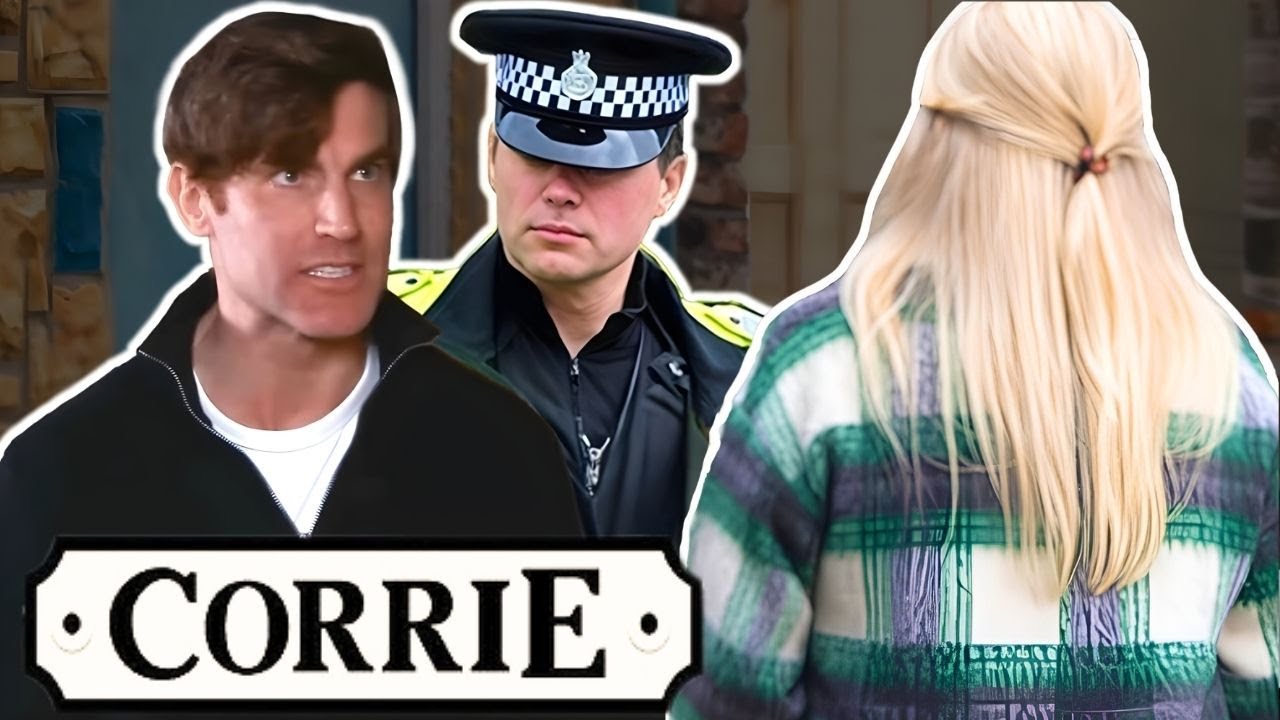
Justice at Last! Lisa Arrests Theo After Todd’s Explosive Complaint | Coronation Street
Justice at Last! Lisa Arrests Theo After Todd’s Explosive Complaint | Coronation Street
The moment fans had been waiting for finally exploded onto Coronation Street — not with sirens blaring or dramatic courtroom speeches, but with something far more powerful: a quiet knock on the door and a pair of handcuffs clicking shut. When Detective Lisa Swain arrested Theo following Todd Grimshaw’s devastating complaint, it felt less like a routine police storyline and more like the emotional climax of a long, bruising war.
For months, viewers had watched Todd unravel under the weight of something he could barely name. What initially looked like an uncomfortable relationship gradually revealed itself as something darker — a pattern of emotional manipulation, coercion, and control that chipped away at Todd’s confidence and sense of reality. Coronation Street handled the buildup with painful subtlety, showing how abuse doesn’t always arrive with shouting and bruises. Sometimes it creeps in through charm, guilt, pressure, and confusion, until the victim can no longer see where the line was crossed.
Todd’s decision to go to the police wasn’t impulsive or fuelled by revenge. It was the end of a long internal battle. He had spent weeks second-guessing himself, minimizing his own experience, convincing himself he was overreacting, and clinging to the hope that if he stayed quiet, everything would simply go away. But it didn’t. Instead, the fear grew heavier, the anxiety more constant, and the emotional toll impossible to ignore.
That’s why Todd’s complaint landed with such devastating weight. It wasn’t just a plot device to trigger Theo’s arrest — it was a character choosing himself for the first time after months of self-doubt and quiet suffering. In that moment, Todd wasn’t trying to destroy Theo’s life. He was trying to reclaim his own.
Enter Lisa Swain.
Lisa has never been written as a flashy, heroic detective who storms into scenes with speeches and swagger. Her power lies in her calm authority and quiet empathy. She listens. She observes. She asks careful questions. Watching her piece together Todd’s account gave the storyline a grounded, almost documentary realism. She didn’t rush to conclusions or offer false comfort. She made it clear that this process would be slow, emotionally draining, and uncertain — but that Todd’s voice would be taken seriously.
When Lisa finally knocked on Theo’s door, the scene crackled with tension. One moment, it was just another familiar Weatherfield living room. The next, everything changed. Theo’s reaction told its own story — bluster mixed with denial, wounded pride clashing with a flicker of fear he couldn’t fully hide. He insisted Todd had exaggerated, claimed everything had been misunderstood, and framed himself as the real victim.
And that, perhaps, was the most unsettling part of all.
Coronation Street has always avoided turning its villains into caricatures. Theo wasn’t a mustache-twirling monster — he was disturbingly believable. A man who genuinely believed his own version of events. A man who couldn’t, or wouldn’t, see himself as the villain of his own story. His refusal to take responsibility only reinforced why Todd’s voice mattered so much in the first place.
Yet the show wisely resisted turning the arrest into a triumphant moment. There was no fist-pumping victory, no swelling music. Instead, it sat in that uncomfortable emotional space where relief, guilt, dread, and hope all exist at once. Watching Theo being led away didn’t feel like justice served — it felt like the end of a chapter Todd never wanted to be part of, but couldn’t escape without help.
And the fallout was immediate.
Weatherfield reacted the way real communities do — messily. Some residents rallied around Todd with mugs of tea, awkward hugs, and sincere words of support. Others struggled, fumbling their responses, or instinctively searching for “both sides” of the story, even when one side had already caused serious harm. Not always out of cruelty, but out of that deeply human discomfort with confronting ugly truths about relationships.
Coronation Street excelled here, showing that the impact of abuse doesn’t stay confined to police interviews and legal documents. It ripples outward, changing friendships, straining families, and forcing everyone to re-evaluate what they thought they knew.
For Todd, the emotional weight didn’t lift after the arrest. If anything, it shifted. The adrenaline faded, and in its place came exhaustion, anxiety, and a constant loop of doubt. Had he said too much? Not enough? Would people believe him when it truly mattered? The show captured this internal struggle with heartbreaking realism — sleepless nights, distracted conversations, and moments of blank staring as Todd mentally rehearsed his story over and over again.
Lisa remained a steady presence throughout, offering honesty instead of empty reassurance. She made it clear that this wasn’t the end — it was only the beginning. There would be statements to repeat, questions to answer, and long stretches of waiting. The system, even at its best, would be slow and stressful.
And Theo, even behind bars, still cast a shadow.
News filtered back that he was planning to contest the charges, painting himself as the wronged party and accusing Todd of misinterpretation — or worse, fabrication. That revelation reignited the tension across the street. Suddenly, it wasn’t just about what had happened. It was about whose version of events would survive public scrutiny.
The thought of facing Theo again — possibly in court — terrified Todd. The show didn’t turn this into melodrama, but let the fear surface in subtle ways: his hesitation before answering the phone, the way his body tensed when certain topics came up, the quiet panic that flickered behind his eyes.
Trauma, the story reminded us, doesn’t end with an arrest. It changes shape. It becomes hypervigilance, anxiety, and the constant fear that the past might reassert itself at any moment.
Meanwhile, the wider ripple effects continued. Conversations in the café and corner shop took on new meanings. Old interactions were reinterpreted. Other characters began reflecting on their own boundaries, their own silences, and the times they had ignored their instincts. The storyline quietly expanded into a broader conversation about belief, support, and how easily people unintentionally hurt survivors by doubting them or trying to “fix” things instead of simply listening.
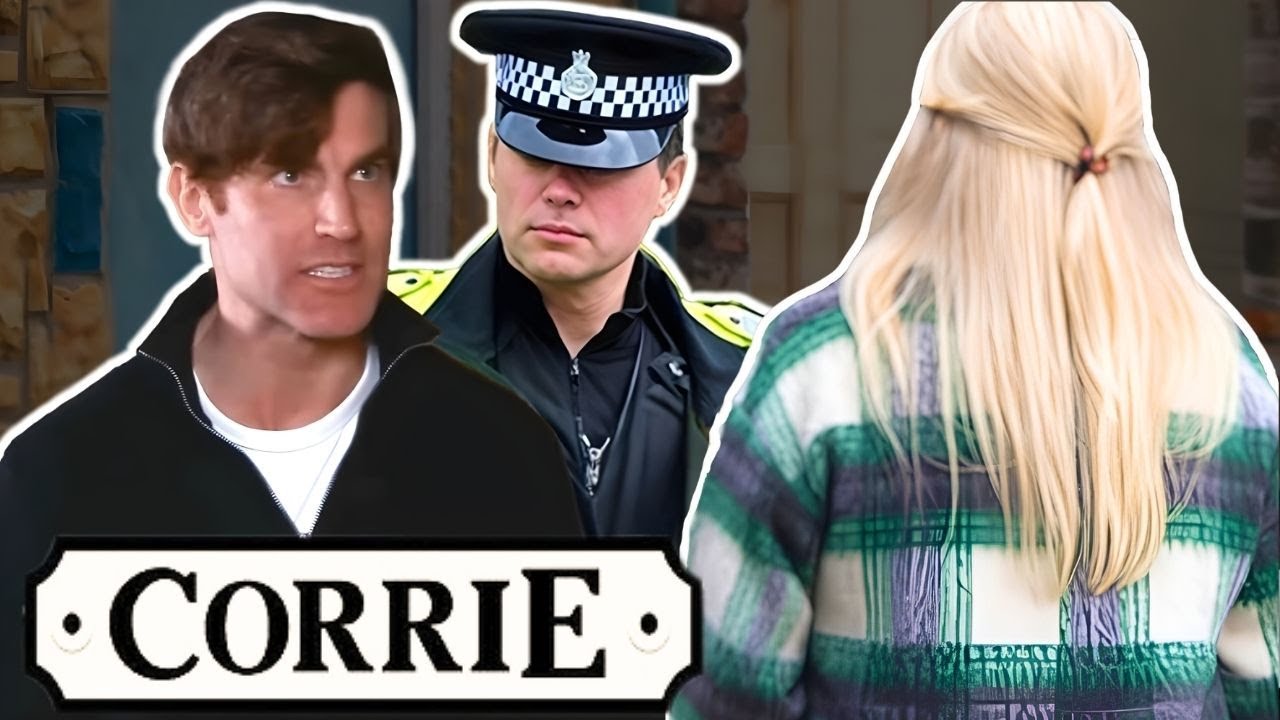
As the possibility of court loomed larger, the tension grew almost unbearable. Todd found himself living in a state of permanent anticipation — every phone call a potential turning point, every knock at the door a source of dread. Coronation Street captured this waiting period with painful authenticity. There were no big dramatic scenes — just the slow erosion of normal life under the weight of uncertainty.
And that’s what made this storyline so powerful.
Lisa arresting Theo wasn’t just a moment of justice. It was the spark that ignited a long, complex journey — one that explored not just crime and consequence, but courage, vulnerability, and the emotional cost of speaking the truth.
By the time the legal process reached its critical stages, it was clear that nothing in Weatherfield would ever fully return to the way it was. Too much had been exposed. Too many relationships had shifted. And too many emotional lines had been crossed.
In the end, this wasn’t a story about a villain being punished.
It was a story about a survivor choosing to be heard.
And in true Coronation Street fashion, it reminded viewers that real justice isn’t always loud or glamorous — sometimes it begins with a trembling voice, a quiet office, and the bravery to finally say, “This happened to me.”