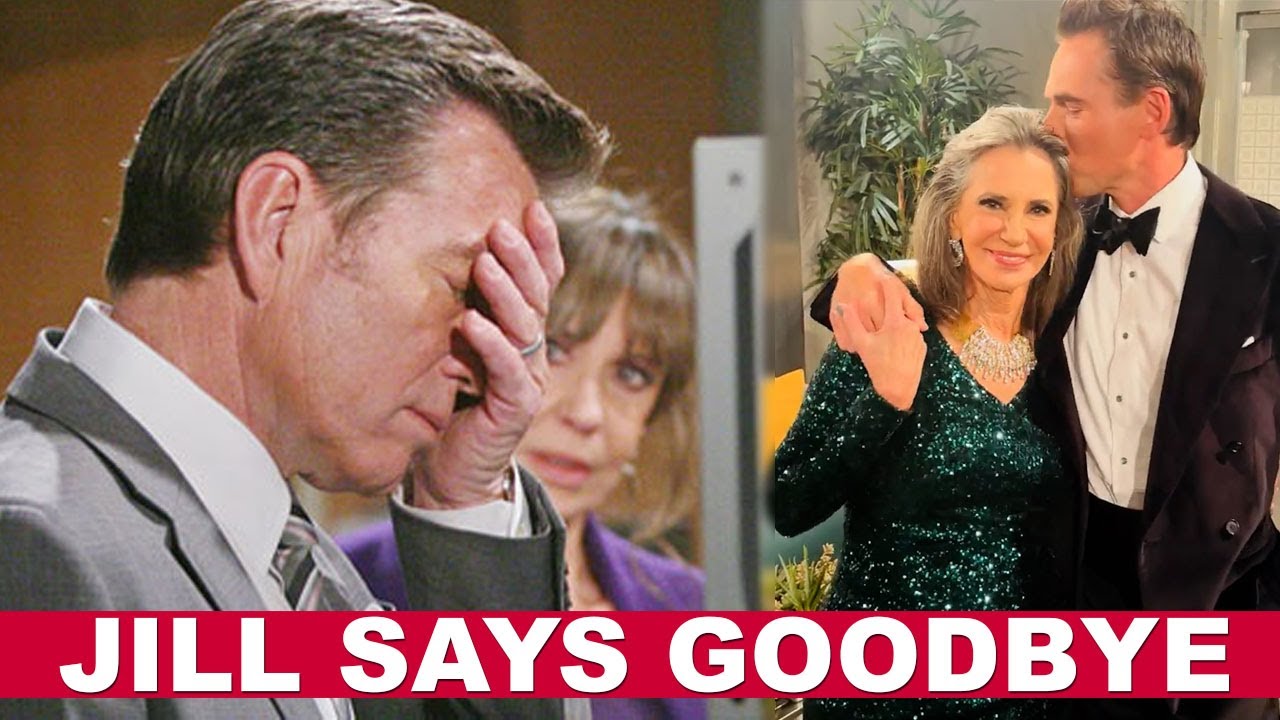
Jill Abbott killed off on-screen, Goodbye legend!
For decades, The Young and the Restless has thrived on corporate warfare, ruthless power plays, and boardroom betrayals that echo through Genoa City. But a newly released preview suggests the soap may be preparing to pivot away from business battles and toward something far more intimate—and far more devastating. At the center of this emotional shift stands Jill Abbott, a character whose presence has defined the series since its very first episode.
The teaser didn’t focus on hostile takeovers or billion-dollar maneuvers. Instead, it zeroed in on a single phone call—quiet, ominous, and life-altering. A moment that instantly sent chills through the fanbase and raised a question many never imagined they’d have to ask: Is Y&R truly preparing to say goodbye to Jill Abbott?
The Phone Call That Changes Everything
The turning point arrives with Billy Abbott in a state of agitation, ready to confront Sally Spectra over what he believes is a betrayal. Billy assumes Sally has warned his mother that he may walk away from the family company—a revelation that would ignite yet another mother-son war. But Sally stops him cold.
She didn’t speak to Jill at all.
Instead, Sally explains, she spoke to Snapper Foster, Billy’s uncle—and what Snapper shared wasn’t gossip or strategy. It was grave news. Jill’s heart condition, which has hovered in the background for some time, has reportedly taken a severe turn for the worse.
In an instant, Billy’s anger collapses into fear.
The shift is jarring. The businessman disappears, replaced by a son confronting the unthinkable possibility that his mother’s time may be running out. And with that emotional pivot, Y&R signals a storyline that feels less like a plot twist and more like a reckoning.
The Last Original Titan of Genoa City
If Jill Abbott were to die, it wouldn’t just be the loss of a beloved character—it would mark the end of an era.
Jill is the final remaining original character from Y&R’s 1973 debut. She has lived through every transformation the show has undergone, evolving from a fiery, impulsive young woman into one of daytime television’s most formidable matriarchs. Her journey has been anything but quiet.
Jill schemed, seduced, fought, loved, lost, and rose again—often multiple times. She shattered marriages, challenged titans, chased ambition with relentless hunger, and never apologized for wanting more. In the early years, she was chaos incarnate. In later years, she became something else entirely: a survivor who had earned every scar.
To imagine Genoa City without Jill Abbott is to imagine the show without its last living bridge to the beginning.
Jess Walton’s Reduced Presence Fuels Fears
In recent years, Jill’s appearances have become less frequent, largely due to the semi-retired status of the legendary actress who portrays her, Jess Walton. A multiple Emmy winner, Walton has delivered some of the most indelible performances in daytime history, imbuing Jill with vulnerability, ferocity, and unexpected humor.
When Jill does appear now, it’s often in pivotal moments—usually to deliver a scathing truth to Billy when he spirals or to anchor a major turning point. These scenes carry extra weight, precisely because fans never know when the next one will come.
That reality has only intensified speculation. Is Y&R preparing to write Jill out permanently, using a health crisis to craft a final, emotional chapter worthy of her legacy?
The Katherine Chancellor Shadow
The fear is compounded by history.
When Y&R lost Katherine Chancellor following the passing of Jeanne Cooper, the show lost its moral compass—its grand dame, its voice of hard-won wisdom. For years, fans have quietly hoped Jill would step into that role fully, becoming the elder stateswoman who guides the next generation with clarity and compassion.
And in many ways, Jill has already softened into that position. She’s no longer the reckless provocateur of old. She’s calmer. Sharper. Wiser. A woman who has seen everything and survived it.
Killing Jill now would feel like removing the last pillar holding up the show’s original architecture.
A Bold Move—or an Irreversible Mistake?
Soap operas are no strangers to shocking deaths. Fans still remember the presumed loss of Chance Chancellor and the emotional fallout that followed. But Jill Abbott isn’t just another character. She’s history.
Ending her story on screen would be one of the boldest—and riskiest—choices Y&R has ever made. It would deliver short-term shock, yes, but at the cost of something irreplaceable: continuity, legacy, and the emotional connection fans have carried for generations.
Yet soaps have always thrived on daring decisions. Sometimes they surprise us not because we want them to, but because they force us to feel.
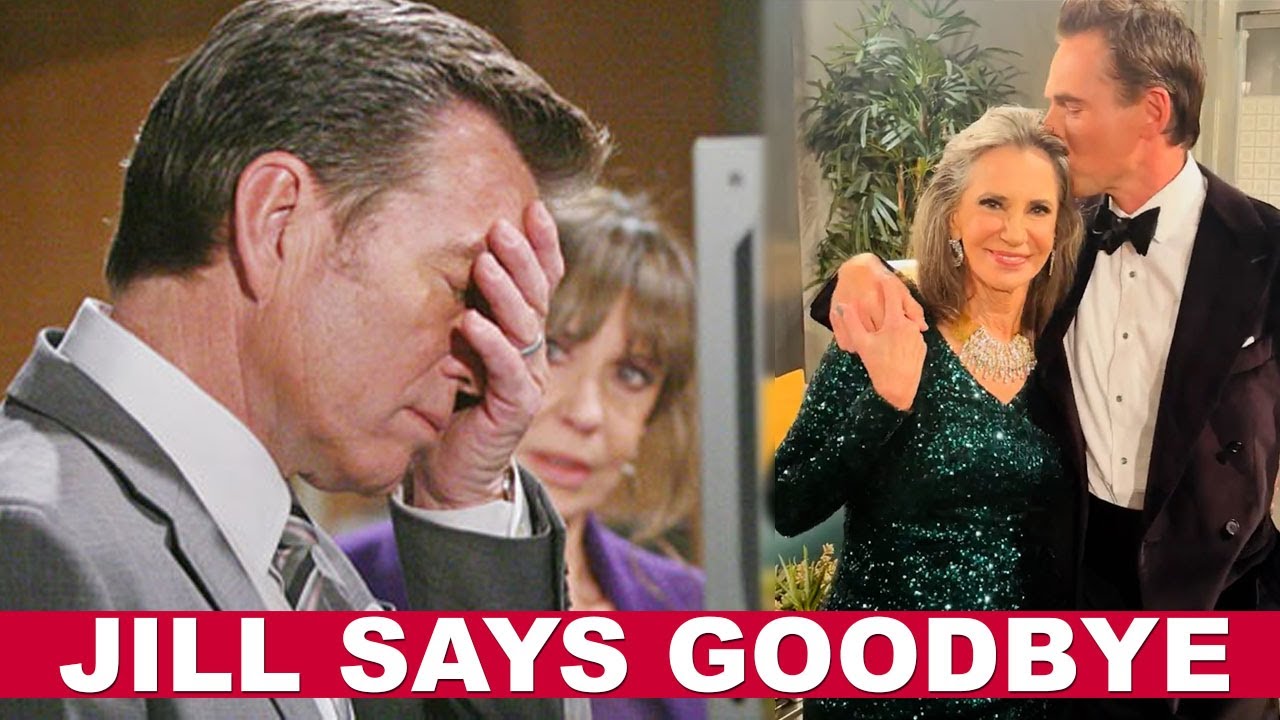
Billy’s Reckoning
Perhaps the most profound impact would fall on Billy Abbott.
Billy’s relationship with Jill has always been combustible—defined by blame, disappointment, and fierce love neither could fully articulate. If Jill’s life truly hangs in the balance, Billy may be forced to confront the years he spent pushing against her, resenting her control, and underestimating her sacrifices.
A goodbye—especially one that comes too soon—would haunt him forever.
And that haunting could reshape Billy’s future in ways no corporate battle ever could.
What Happens Next?
For now, Y&R is keeping its cards close. The preview offers fear, not confirmation. Possibility, not certainty. Jill may yet survive this crisis, emerging once more to remind Genoa City why she’s endured longer than anyone else.
But the mere suggestion of her death has already accomplished something powerful: it has united fans in grief, hope, and fierce debate.
Should Jill Abbott remain—aging gracefully into the show’s guiding conscience?
Or is Y&R preparing a tear-soaked farewell to honor its last original legend?
One way or another, this storyline will matter.
Because when Jill Abbott’s heart is at stake, it isn’t just a character facing mortality. It’s the soul of The Young and the Restless itself.
And if this truly is the beginning of goodbye, Genoa City—and the fans who grew up with it—may never be the same again.