
“Family comes first. Always.” 💔🔥 Danny Reagan didn’t move to Boston for a badge… he moved for his son 😱. Boston Blue rips away the myth of the untouchable cop and exposes something far more dangerous
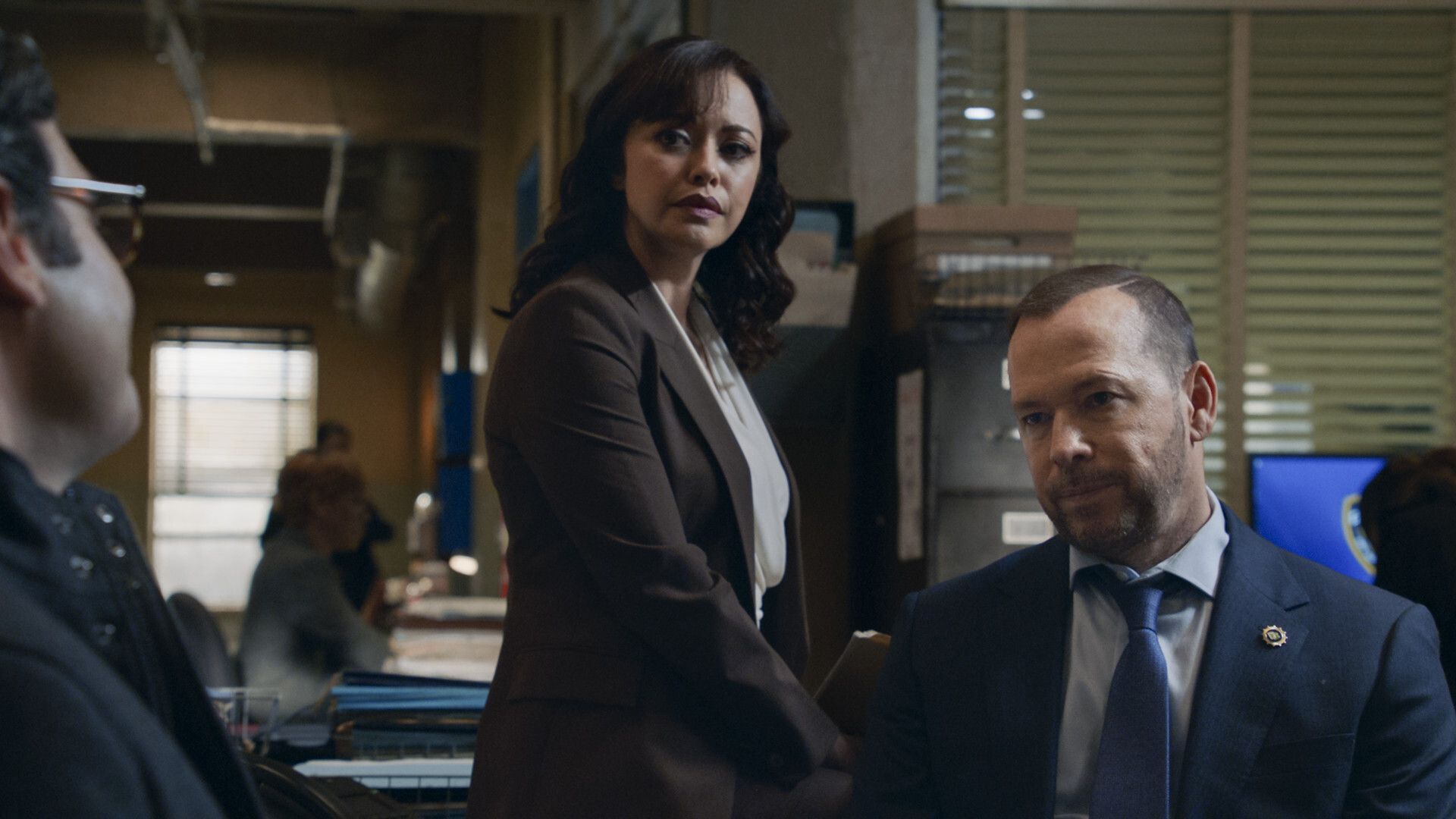
“Family comes first. Always.” Danny Reagan didn’t move to Boston for a badge… he moved for his son , and Boston Blue wastes no time ripping apart the long-held myth of the untouchable cop to expose something far more dangerous, the quiet desperation of a father who realizes too late that strength, reputation, and sacrifice mean nothing if they cost him the one person he swore to protect, because Danny’s decision to leave New York is not framed as a career advancement or a noble call to serve, but as a last, almost panicked act of love driven by fear that his son is slipping beyond his reach; from the very first moments of this new era, it becomes clear that Danny is not running toward opportunity but away from failure, haunted by signs he ignored, conversations he rushed through, and the familiar excuse that the job always came first because it had to, until one night forces him to confront the truth that his son doesn’t need a hero in uniform, he needs a father who shows up before everything falls apart; Boston Blue peels back Danny’s hardened exterior layer by layer, revealing a man who has spent decades believing that danger lived on the streets, not at his own dinner table, and the shock of realizing that his son’s struggles grew in the shadow of his absence hits harder than any bullet or interrogation room confrontation ever could; the move to Boston is portrayed not as confident but urgent, driven by whispered warnings, troubling behavior, and the gut-level instinct that something is deeply wrong, and Danny’s arrival carries none of the swagger fans once associated with him, only a heavy silence and eyes that scan not for suspects but for signs he might already be too late; the storyline dismantles the fantasy that good intentions and honorable service automatically make someone a good parent, showing instead how easy it is for love to become conditional on duty, and how children raised in the glow of a badge can feel invisible even while being fiercely protected in name; Danny’s son is not portrayed as rebellious for drama’s sake, but as a young man shaped by growing up under impossible expectations, constantly compared to a legacy he never asked for and pressured to be strong, resilient, and silent in the face of pain, until silence becomes isolation and isolation becomes danger; Boston Blue dares to suggest that the most dangerous thing about the untouchable cop myth isn’t arrogance, but neglect, the belief that holding the line out there excuses losing touch in here, and Danny is forced to confront the brutal irony that his reputation for protecting others blinded him to the cracks forming in his own family; emotionally devastating scenes show Danny struggling to communicate without commands, without interrogation tactics, without the instinct to fix rather than listen, exposing how deeply the job rewired his instincts, making vulnerability feel like failure and fear feel like weakness, even when the stakes are his own child; the badge, once a symbol of purpose, becomes a barrier, as his son lashes out at the uniform, not out of disrespect, but out of exhaustion from living in its shadow, accusing Danny of choosing strangers over family for years and only noticing now because the consequences are impossible to ignore; Boston itself becomes a character in this unraveling, a city that mirrors Danny’s internal chaos, unfamiliar streets forcing him to navigate without confidence, without rank, without the comfort of being known, stripping him down to what he truly is beneath the legacy, a father terrified of losing his son and realizing that love alone doesn’t heal wounds left unattended for too long; the myth of the untouchable cop shatters most painfully in moments of helplessness, when Danny can’t badge his way out of the truth, can’t threaten, can’t command respect, and can’t arrest the damage already done, leaving him face to face with the most frightening realization of his life, that bravery on the job does not translate to courage in the home; Boston Blue exposes how institutions praise sacrifice without asking who pays for it, and Danny becomes the embodiment of that cost, celebrated for decades while his family learned to live with absence, emotional distance, and the quiet resentment that grows when love feels secondary to duty; the story doesn’t paint Danny as a villain, but it refuses to absolve him, instead presenting a raw, uncomfortable portrait of a man who did what he believed was right until the day he realized belief isn’t enough, and intention doesn’t undo impact; as father and son circle each other with years of unspoken hurt between them, the tension is suffocating, because reconciliation is no longer guaranteed, and the show makes it clear that saying “family comes first” after years of proving otherwise may be too little, too late; what makes Boston Blue so dangerous emotionally is that it doesn’t offer easy redemption, instead forcing Danny to earn trust without the armor he’s relied on his entire life, to stay when walking away would be easier, and to listen when every instinct tells him to act; the series challenges viewers to reconsider what heroism really looks like, suggesting that the bravest thing Danny may ever do isn’t chasing danger, but sitting still with his son’s anger, guilt, and disappointment without trying to escape into the job; by reframing Danny’s move as an act of desperation rather than ambition, Boston Blue strips away the comforting illusion that cops like him are untouchable, revealing instead how deeply touchable they are where it hurts most, in the relationships they assume will survive anything; the danger exposed isn’t crime or corruption, but emotional inheritance, the passing down of silence, rigidity, and unresolved trauma from one generation to the next, and Danny is forced to confront whether breaking that cycle is even possible at this stage of his life; as the storyline unfolds, the question isn’t whether Danny can protect his son, but whether he can change enough to truly know him, and that uncertainty lingers heavier than any cliffhanger, because for the first time, the badge can’t save him, reputation can’t shield him, and being a good cop offers no protection against being a flawed father; Boston Blue doesn’t just reinvent a character, it dismantles a myth, exposing the truth that the most dangerous illusion is believing you can give everything to the job and still have something left for the people waiting at home, and as Danny Reagan stands at this crossroads, stripped of certainty and authority, one truth cuts through the pain with devastating clarity, family only comes first if you choose it before it’s breaking, not after.