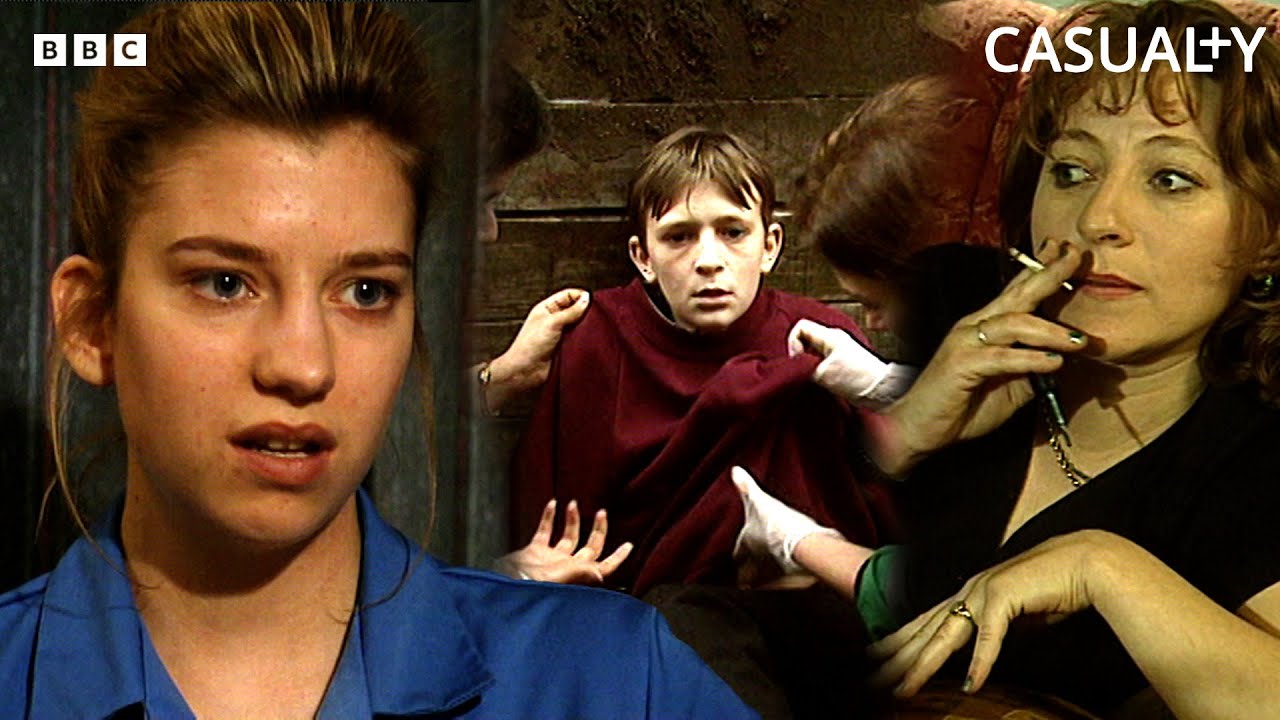
Fears Raised After Teen Is Injured At Work | Casualty
The Hidden Cost of Survival: A Walford Youth on the Edge
In a chilling reminder of the vulnerabilities facing modern youth, a recent incident involving a local teenager has cast a harsh light on the desperate measures some families are forced to take. Joey Fisher, a young man whose maturity belies his true age, found himself at the center of a medical and social emergency after a catastrophic accident at a workplace that should never have employed him.
The incident unfolded with terrifying speed. Fisher was rushed to the Holby City Hospital emergency department after collapsing following a fall onto a metal spike. The severity of his injuries—a punctured chest and respiratory distress—required immediate intervention, including the insertion of a chest drain. While the physical trauma was clear, the circumstances surrounding the injury revealed a much darker narrative of exploitation and necessity.
Initial investigations by hospital staff uncovered that Fisher had been working in a localized factory, described by some as a “sweatshop,” located on Craigwell Street. Despite his claims of being sixteen, it was quickly revealed that Joey is merely thirteen years old. The factory, specializing in garment production, appears to be operating under the radar, employing underage workers for grueling shifts that far exceed legal limits. Fisher himself admitted to working 43 hours in a single week, a schedule that is not only illegal but physically and mentally taxing for a child his age.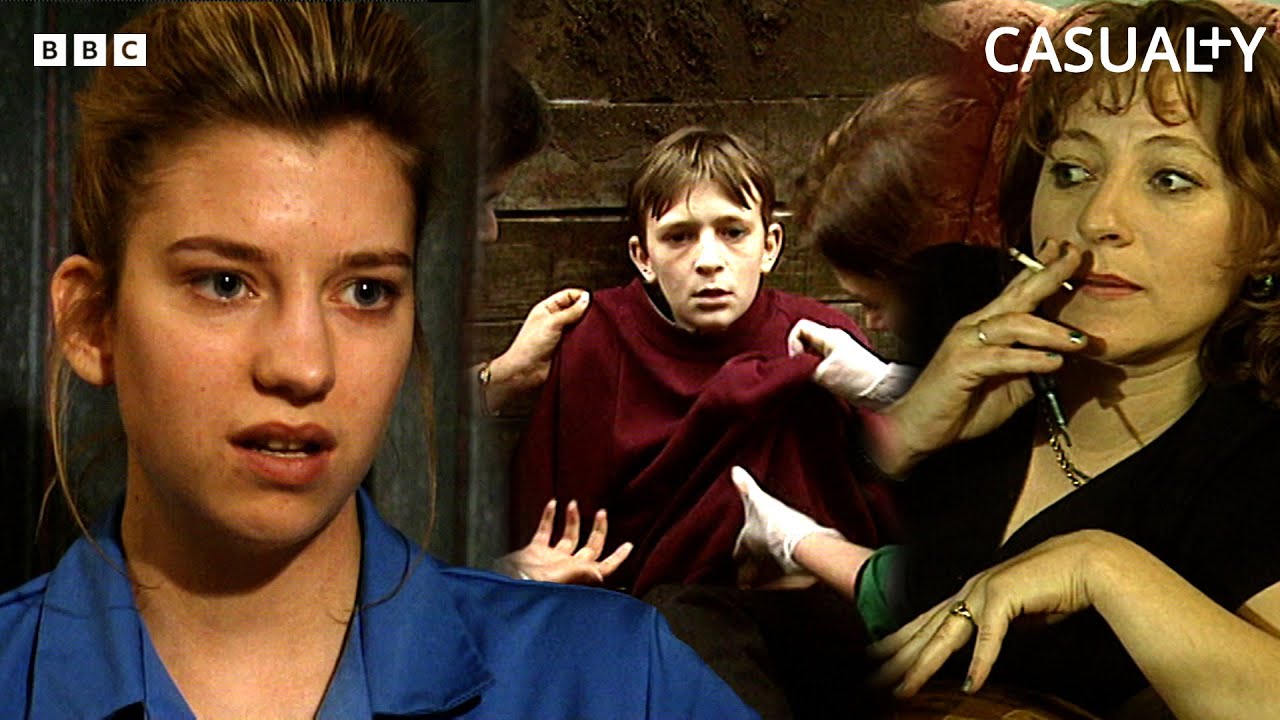
The case has ignited a fierce debate within the medical community regarding the role of healthcare providers in reporting suspected child labor. Tina, a nurse involved in Fisher’s care, made the decision to involve Social Services early on, a move that was met with mixed reactions from her colleagues. While some argued it was a necessary step to protect the child, others, including Charge Nurse Mark, expressed concern that the full context of the family’s situation had not been considered.
That context is one of profound financial hardship. Joey’s mother, Abby Fisher, appeared at the hospital, defensive and clearly struggling with the burdens of a large family. It became evident that Joey wasn’t working out of choice, but out of a desperate sense of duty to his siblings. From buying new trainers for his brother Luke to feeding the baby, Molly, in the middle of the night, Joey had effectively stepped into the role of a secondary provider.
The intervention of Social Services has brought a new layer of fear to the Fisher household. Joey expressed a deep-seated dread of being placed back into the care system, recalling a previous period where he was sent to a home and his siblings were fostered. For a child trying to keep his family together, the “help” offered by the state feels like a threat of total dissolution.
This tragic situation serves as a stark reminder that child exploitation is not a relic of the past or a problem confined to distant shores. It exists in the shadows of our own streets, driven by poverty and the failures of the social safety net. As Joey Fisher recovers from his physical wounds, the emotional and familial scars remain, leaving a community to wonder how many other children are sacrificing their childhoods just to help their families survive.