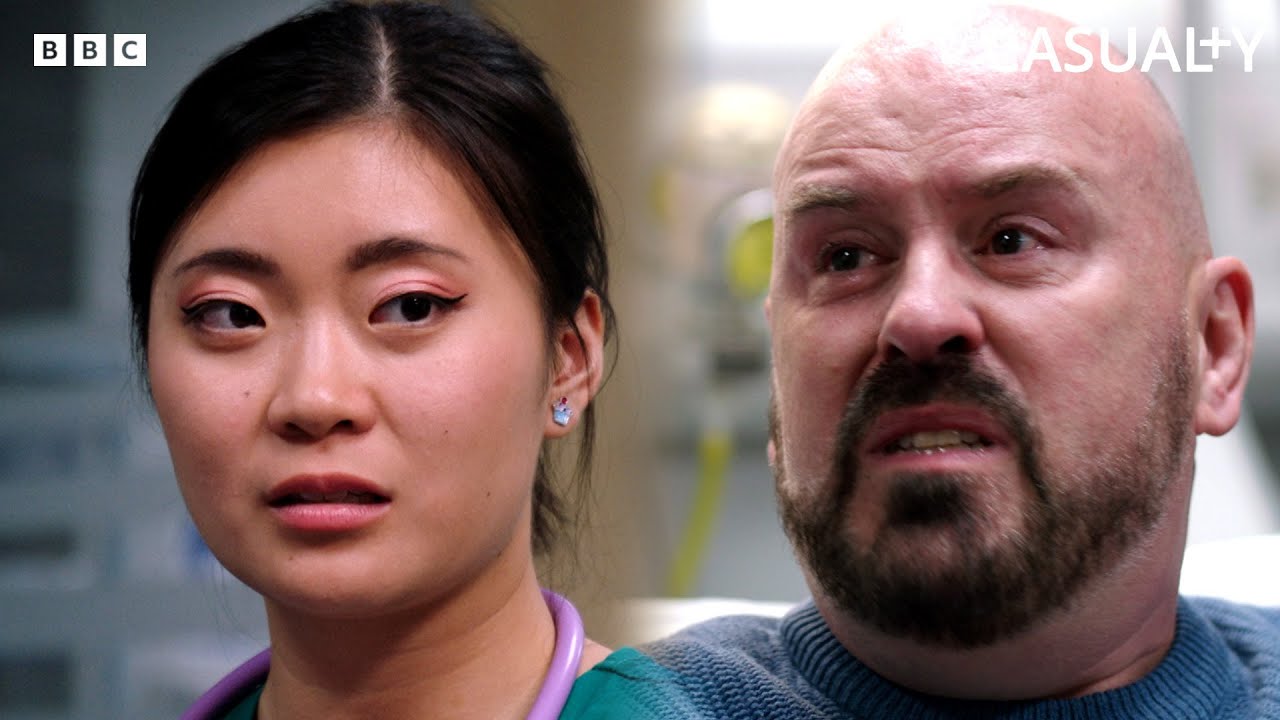
Doctor Helps A Patient Escape A Controlling Relationship! | Learning Curve | Casualty
Beyond the Scars: How Vigilant Healthcare is Breaking the Cycle of Coercive Control
In the high-pressure environment of an Emergency Department, the focus is often on the immediate—the broken bone, the sudden collapse, the visible trauma. However, a recent case at Holby City’s Emergency Department serves as a poignant reminder that some of the most life-threatening injuries are the ones that don’t show up on an X-ray. It was a keen clinical eye and a commitment to safeguarding that allowed a patient named Bryn to finally begin his escape from a suffocating and controlling relationship.
The case began under the guise of a domestic accident. Bryn arrived at the hospital requiring surgery for an injury his partner, Tom, dismissed as the result of “insisting on fixing things” rather than leaving it to professionals. To the casual observer, Tom appeared to be a devoted, if slightly overbearing, partner. He hovered, spoke on Bryn’s behalf, and insisted on staying by his side through recovery. Yet, for the medical staff on duty, these weren’t signs of affection; they were red flags for domestic abuse.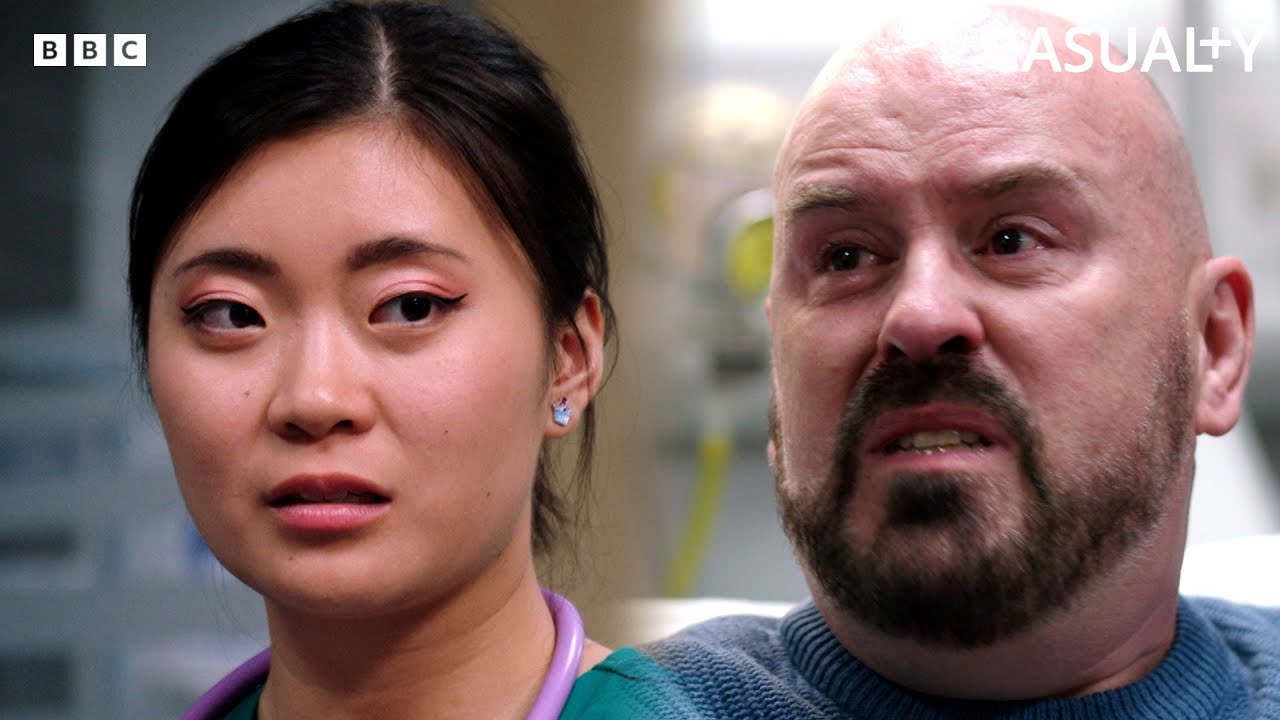
A junior doctor first raised the safeguarding concern after noticing a distinct pattern of behavior. Tom didn’t just support Bryn; he dominated him. He cut Bryn off mid-sentence and bombarded him with messages the moment they were separated. A deep dive into Bryn’s medical history revealed a trail of breadcrumbs: frequent visits for unexplained symptoms including chronic migraines, persistent anxiety, and vague pain—classic physical manifestations of long-term psychological stress.
The breakthrough occurred when clinicians managed to isolate Bryn from his partner. In the safety of the clinical space, the “perfect couple” facade crumbled. Bryn confessed to a harrowing reality of coercive control. He detailed a systematic isolation process where Tom convinced him that his friends and family didn’t want him around. This led to Bryn working from home, then quitting his job, and eventually becoming a prisoner in his own house. Most tragically, Bryn admitted that his current physical injury was self-inflicted—a desperate act of “controlled” harm committed solely to secure a few hours of freedom within the hospital walls.
The road to recovery for survivors like Bryn is rarely a straight line. The fear of retaliation and the lack of “physical proof” often keep victims silent. However, as the medical team explained, the evidence is often hidden in plain sight. Bank records, text message logs, and even the chronological pattern of hospital visits build a legal and clinical narrative of abuse that can empower a victim to leave.
This case highlights the evolving role of healthcare professionals as more than just healers of the body. By prioritizing safeguarding and recognizing the subtle “learning curve” of domestic abuse indicators, doctors can provide the one thing a controlling partner cannot: a safe exit. For Bryn, the surgery to fix his physical wound was secondary to the intervention that may have saved his life. As he prepares to take his first steps toward independence, the message to the public and the medical community remains clear: when behavior feels “tense” or “controlled,” the most important procedure is to listen.