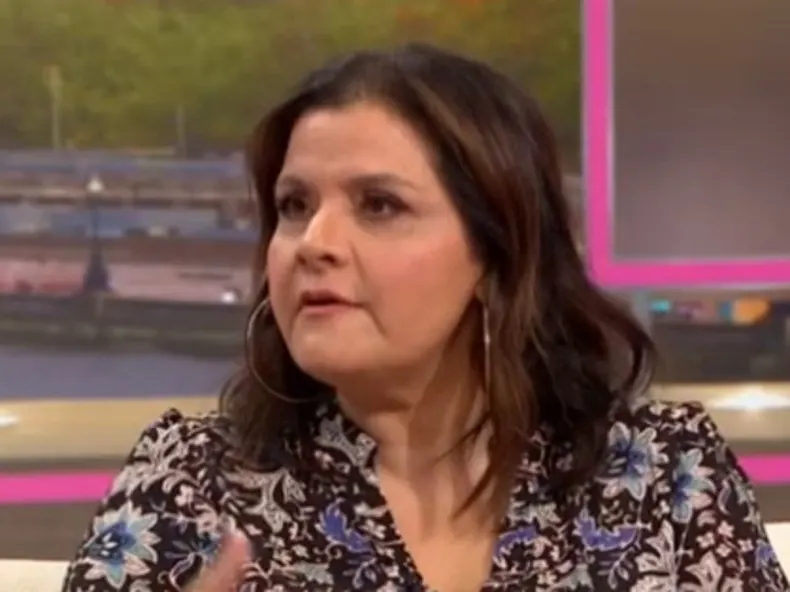
🚨 EASTENDERS STAR’S TERRIFYING CONFESSION: “My Days Are Numbered!” 💉⚠️
Nina Wadia, the former EastEnders star, has issued a dire warning about the dangers of weight loss injections. In her heartfelt message, she shares her personal struggles and urges others to think twice before using these treatments. Discover her story and learn about the potential risks associated with weight loss injections.
Understanding the Risks of Weight Loss Injections: Nina Wadia’s Cautionary Tale
In recent years, weight loss injections have gained popularity as a quick fix for those looking to shed pounds. However, not all that glitters is gold, as former EastEnders star Nina Wadia has recently highlighted. In a candid interview, Wadia opened up about her experiences with weight loss injections and the alarming consequences she has faced. Her message is clear: “Don’t be like me—my days are numbered.” This article delves into Wadia’s story, the potential dangers of weight loss injections, and what individuals should consider before embarking on such treatments.

Weight loss injections, often marketed as miracle solutions, promise rapid results with minimal effort. These treatments typically involve hormones or peptides that aim to suppress appetite or enhance metabolism. For many, the prospect of losing weight quickly can be incredibly appealing, especially in a society that often equates thinness with beauty and success. However, the allure of these injections can overshadow the potential risks involved.
Nina Wadia, known for her role as Zainab Masood in EastEnders, has become a voice of caution regarding these treatments. She has shared her personal journey, revealing that her initial excitement quickly turned into a nightmare. Wadia’s experience serves as a stark reminder that the road to weight loss can be fraught with peril, especially when shortcuts are taken.
The Consequences of Weight Loss Injections

While weight loss injections may promise quick results, they can also lead to a myriad of health issues. Nina Wadia’s warning is rooted in her own struggles, which include severe side effects that have impacted her quality of life. Some of the common risks associated with these injections include:
1. **Hormonal Imbalances:** Many weight loss injections work by altering hormone levels in the body. This can lead to significant hormonal imbalances, resulting in mood swings, fatigue, and other health complications.
2. **Gastrointestinal Issues:** Some individuals may experience nausea, diarrhea, or other gastrointestinal problems as a result of these injections. These side effects can be debilitating and may deter individuals from maintaining a healthy lifestyle.
3. **Dependency:** Relying on injections for weight loss can create a cycle of dependency. Individuals may find themselves unable to maintain their weight without continued use of these treatments, leading to a long-term reliance on potentially harmful substances.
4. **Long-Term Health Risks:** The long-term effects of weight loss injections are still not fully understood. Some studies suggest that they may increase the risk of serious health conditions, including heart disease and diabetes.
Nina Wadia’s candid admission about her struggles serves as a wake-up call for those considering weight loss injections. She emphasizes the importance of prioritizing health over appearance and encourages individuals to seek safer, more sustainable methods for weight management.
Exploring Safer Alternatives to Weight Loss Injections

In light of the potential dangers associated with weight loss injections, it’s crucial to explore safer alternatives for achieving weight loss goals. Here are some healthier approaches that can lead to sustainable results:
1. **Balanced Diet:** Adopting a balanced diet rich in whole foods, fruits, vegetables, lean proteins, and healthy fats can significantly impact weight loss. Consulting with a nutritionist can help individuals create a personalized meal plan that meets their needs.
2. **Regular Exercise:** Incorporating physical activity into daily routines is essential for maintaining a healthy weight. Whether it’s through cardio, strength training, or group classes, finding enjoyable activities can make exercise a sustainable part of life.
3. **Mindful Eating:** Practicing mindful eating can help individuals develop a healthier relationship with food. Being aware of hunger cues, portion sizes, and emotional triggers can lead to more conscious food choices.
4. **Support Systems:** Joining support groups or working with a coach can provide motivation and accountability. Sharing experiences with others on a similar journey can foster a sense of community and encouragement.
5. **Consulting Healthcare Professionals:** Before making any significant changes to diet or lifestyle, it’s essential to consult healthcare professionals. They can provide guidance tailored to individual health needs and goals.
Nina Wadia’s story serves as a powerful reminder that while the pursuit of weight loss can be tempting, it’s vital to prioritize health and well-being above all else. By choosing safer alternatives, individuals can achieve their goals without compromising their health.
Conclusion

Nina Wadia’s heartfelt warning about the dangers of weight loss injections is a crucial message for anyone considering these treatments. Her experiences highlight the potential risks and consequences that can arise from seeking quick fixes. Instead of turning to injections, individuals should explore healthier, more sustainable methods for weight loss that prioritize overall well-being.
If you or someone you know is struggling with weight loss, consider reaching out to healthcare professionals for guidance. Remember, your health is your most valuable asset—don’t compromise it for fleeting results. Take the first step towards a healthier lifestyle today!


